In today’s fast-evolving business landscape, one question dominates boardrooms, startup pitches, and marketing strategy meetings alike: should you invest in digital marketing or traditional marketing? The answer is rarely black and white — but understanding the core differences, strengths, and limitations of each approach can help you make smarter, data-driven decisions for your brand.
Whether you’re a small business owner in Ahmedabad looking to grow locally, or a national brand aiming to scale across India, choosing the right marketing channel is critical. This guide breaks down everything you need to know about digital marketing vs traditional marketing — from costs and targeting to ROI measurement and long-term effectiveness.

What Is Traditional Marketing?
Traditional marketing refers to any form of marketing that uses offline channels to reach an audience. It is one of the oldest forms of brand promotion and has been the foundation of advertising for decades.
Traditional marketing methods include print advertisements, television commercials, radio spots, billboards, direct mail, flyers, and event sponsorships. These channels are well-established and carry a certain level of trust and familiarity with older demographics.
Common Types of Traditional Marketing
- Print advertising — Newspapers, magazines, brochures, and flyers
- Broadcast advertising — TV and radio commercials
- Outdoor advertising — Billboards, hoardings, transit ads
- Direct mail — Postcards, catalogues, promotional letters
- Telemarketing — Cold calling and phone-based outreach
- Event marketing — Trade shows, exhibitions, and sponsorships
What Is Digital Marketing?
Digital marketing refers to the promotion of products and services through digital channels such as search engines, social media platforms, email, websites, and mobile applications. It leverages the internet to connect brands with their target audience in real time.
Unlike traditional marketing, digital marketing allows brands to track every click, impression, and conversion. This data-driven approach makes it easier to optimize campaigns, reduce wasteful spending, and improve return on investment (ROI).
Common Types of Digital Marketing
- Search Engine Optimization (SEO) — Ranking organically on Google and Bing
- Pay-Per-Click Advertising (PPC) — Google Ads, Bing Ads, display campaigns
- Social Media Marketing — Facebook, Instagram, LinkedIn, YouTube
- Content Marketing — Blogs, videos, infographics, podcasts
- Email Marketing — Newsletters, drip campaigns, promotional emails
- Influencer Marketing — Collaborating with content creators and niche influencers
- Affiliate Marketing — Performance-based partnerships

Digital Marketing vs Traditional Marketing: Key Differences
To truly understand which approach is right for your business, it’s essential to compare them across the most important marketing dimensions.
1. Reach and Audience Targeting
Traditional marketing offers broad reach but limited targeting. A newspaper ad in Ahmedabad reaches everyone who reads that paper — regardless of age, interest, or buying intent.
Digital marketing, on the other hand, allows hyper-precise targeting. You can reach users based on demographics, location, interests, search behaviour, device type, and even past purchase history. This precision reduces wasted ad spend significantly.
2. Cost and Budget Flexibility
Traditional marketing campaigns — especially TV, radio, and print — often require substantial upfront investment. Production costs, media buying, and distribution can run into lakhs of rupees before a single customer sees your message.
Digital marketing is far more budget-flexible. You can start a Google Ads campaign with as little as ₹500 per day, scale up based on results, and pause at any time. This makes it accessible for startups and small businesses.
3. Measurability and Analytics
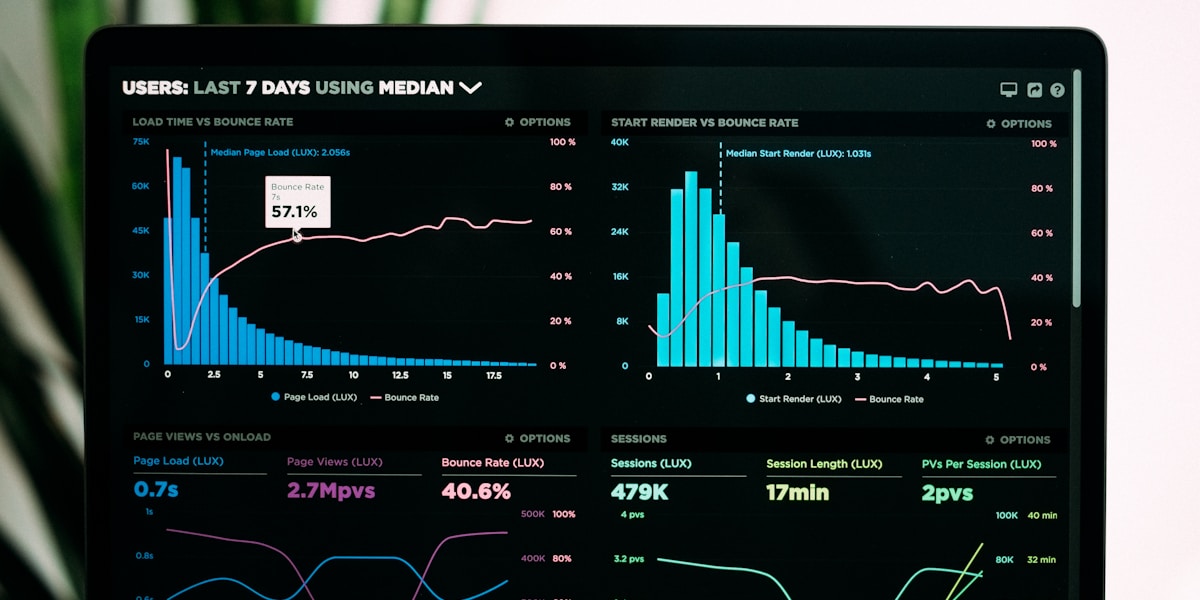
One of the most significant advantages of digital marketing is measurability. Every metric — impressions, clicks, conversions, bounce rate, cost-per-lead — is trackable in real time using tools like Google Analytics, Meta Ads Manager, and Search Console.
Traditional marketing lacks this precision. You can estimate reach based on newspaper circulation or TV ratings, but attributing a sale directly to a billboard is nearly impossible.
4. Engagement and Interaction
Traditional marketing is largely a one-way communication channel. A TV ad pushes a message to the audience with no opportunity for immediate interaction.
Digital marketing enables two-way communication. Customers can comment on Instagram posts, reply to emails, leave Google reviews, or start a live chat — creating genuine brand-audience relationships that build long-term loyalty.
5. Speed and Agility
Launching a TV commercial or print campaign can take weeks of planning, production, and scheduling. If the campaign isn’t performing, making changes is slow and expensive.
Digital campaigns can be launched within hours, A/B tested in real time, and optimised instantly based on performance data. This agility is critical in competitive markets.
6. Longevity and Content Shelf Life
A newspaper ad lasts one day. A TV commercial airs for a limited campaign period. Traditional marketing content has a short shelf life.
An SEO-optimised blog post or YouTube video can generate traffic and leads for years after publication. Content marketing creates compounding returns over time — a major advantage for businesses focused on long-term growth.
Advantages and Disadvantages: A Side-by-Side Summary
Advantages of Traditional Marketing
- High brand credibility and trust, especially among older demographics
- Strong local reach through regional newspapers and radio stations
- Tangible materials (brochures, direct mail) can leave a lasting impression
- Effective for mass-market brand awareness campaigns
- No internet dependency — reaches audiences offline
Disadvantages of Traditional Marketing
- High cost with limited targeting capability
- Difficult to measure ROI accurately
- Slow to execute and inflexible once launched
- Limited interaction with the audience
- Declining effectiveness as audiences shift to digital platforms
Advantages of Digital Marketing
- Highly targeted campaigns reach the right audience at the right time
- Real-time performance tracking and analytics
- Lower entry cost with scalable budgets
- Global reach with localisation capabilities
- Two-way engagement builds lasting customer relationships
- Content delivers compounding returns over time
Disadvantages of Digital Marketing
- Requires continuous learning and adaptation to platform changes
- Digital ad fatigue and increasing competition online
- Privacy regulations (GDPR, data protection laws) add complexity
- Risk of negative public feedback spreading rapidly on social media
Which Is Better for Your Business in 2025?
The honest answer: it depends on your business goals, target audience, budget, and industry. However, the data strongly favours digital marketing for most modern businesses.
According to industry reports, over 5.4 billion people are active internet users globally, and India alone has over 900 million internet users. Consumer behaviour has shifted dramatically — people search online before making purchasing decisions, compare products on e-commerce platforms, and seek social proof through reviews and influencer content.
From our experience at Udaan Digital, businesses in Ahmedabad that invest in a strong digital presence — combining SEO, social media, and paid advertising — consistently outperform those relying solely on traditional channels. That said, for businesses targeting older demographics or running hyper-local campaigns, traditional marketing still plays a valuable supporting role.
When to Use Traditional Marketing
Traditional marketing remains relevant in specific scenarios:
- Targeting audiences with limited internet access or older demographics
- Local brand awareness in a specific geographic area
- High-impact launches where mass reach matters (TV, radio)
- Industries like real estate, luxury goods, and retail where physical materials add prestige
- Events, trade shows, and face-to-face networking
When to Use Digital Marketing
Digital marketing is the ideal choice when:
- You need measurable, data-driven results and ROI tracking
- Your target audience is active on search engines or social media
- Budget flexibility and cost efficiency are priorities
- You want to build long-term organic traffic through content and SEO
- You need to reach a national or global audience
- You’re running an e-commerce business or generating online leads
The Integrated Marketing Approach: Best of Both Worlds
The most successful brands don’t choose between digital and traditional marketing — they integrate both strategically. This approach, often called omnichannel marketing, creates a consistent brand experience across all touchpoints.
For example, a real estate developer in Ahmedabad might run hoarding campaigns around key localities (traditional) while simultaneously running targeted Google Ads and Instagram campaigns to capture search intent and social media interest (digital). The combination amplifies reach and reinforces brand messaging.
How to Build an Integrated Marketing Strategy
- Define your target audience — Understand where they consume information (online, offline, or both)
- Set clear objectives — Brand awareness, lead generation, sales, retention
- Allocate budget strategically — Typically, prioritise digital for measurable ROI and traditional for brand credibility
- Create consistent messaging — Your brand voice should be uniform across TV, print, website, and social media
- Track cross-channel performance — Use UTM parameters, QR codes, and CRM tools to connect offline and online data
- Test, measure, and optimise — Continuously refine based on what’s driving results
Expert Tips: Getting the Most from Your Marketing Investment
- Start with SEO — Organic search traffic is one of the highest-ROI channels for long-term growth. Invest in professional SEO services early.
- Use data before spending — Research your audience’s online behaviour before committing budget to any channel.
- Don’t ignore social proof — Google Reviews, testimonials, and user-generated content bridge digital and traditional trust signals.
- Leverage local SEO — For businesses in Ahmedabad and Gujarat, optimising your Google Business Profile drives powerful local visibility.
- Repurpose content across channels — A single blog post can become a social media series, email newsletter, and YouTube script.
- Track everything — Use Google Analytics 4, Meta Pixel, and call tracking to measure the full customer journey.
Common Mistakes Businesses Make When Choosing Marketing Channels
- Going all-in on one channel — Relying solely on Facebook Ads or newspaper ads without diversification creates vulnerability.
- Ignoring mobile users — Over 75% of internet browsing in India happens on mobile. Your digital marketing must be mobile-first.
- Chasing vanity metrics — Likes and impressions don’t pay bills. Focus on conversions, leads, and revenue.
- Inconsistent brand messaging — Your offline brochure and website should tell the same story.
- Neglecting existing customers — Email marketing and retargeting to existing customers often delivers better ROI than acquiring new ones.
- Not setting a clear goal — Running ads without a defined objective wastes budget and produces no meaningful results.

Frequently Asked Questions
What is the main difference between digital marketing and traditional marketing?
The main difference is the channel used to reach the audience. Traditional marketing uses offline channels like TV, radio, newspapers, and billboards, while digital marketing uses online channels like search engines, social media, email, and websites. Digital marketing offers measurable data and precise targeting, whereas traditional marketing relies on estimated reach.
Is digital marketing more effective than traditional marketing?
For most modern businesses, digital marketing offers higher ROI, better targeting, and measurable results compared to traditional marketing. However, effectiveness depends on your industry, target audience, and goals. Many businesses achieve the best results by integrating both approaches.
Which is more cost-effective: digital or traditional marketing?
Digital marketing is generally more cost-effective, especially for small and medium-sized businesses. You can start campaigns with minimal budgets, track every rupee spent, and scale based on results. Traditional marketing often requires large upfront investment with limited performance tracking.
Can small businesses afford digital marketing?
Yes. Digital marketing is one of the most accessible marketing options for small businesses. With platforms like Google Ads, Meta Ads, and organic social media, businesses can start with very small budgets and grow strategically. Udaan Digital offers tailored digital marketing solutions for businesses of all sizes in Ahmedabad and across India.
What are examples of traditional marketing?
Examples of traditional marketing include TV commercials, radio advertisements, newspaper and magazine ads, outdoor billboards, direct mail campaigns, flyers, brochures, and event sponsorships.
What are examples of digital marketing?
Examples of digital marketing include search engine optimisation (SEO), Google Ads (PPC), social media marketing on platforms like Instagram and LinkedIn, email marketing campaigns, content marketing through blogs and videos, influencer collaborations, and affiliate marketing.
Should I use both digital and traditional marketing?
Yes, if your budget allows. An integrated marketing strategy combining both digital and traditional channels creates stronger brand recognition and wider reach. The key is to ensure consistent messaging across all channels and track performance wherever possible.
Conclusion
The debate between digital marketing vs traditional marketing isn’t about declaring a winner — it’s about making informed, strategic decisions for your business. Traditional marketing still holds value in specific contexts, particularly for building local trust and reaching offline audiences. But in a world where consumers are online 24/7, digital marketing offers unmatched precision, scalability, and measurability.
For businesses in Ahmedabad and across India, investing in a robust digital marketing strategy is no longer optional — it’s a competitive necessity. Whether you’re starting with SEO, social media marketing, or a full-funnel PPC campaign, the right digital strategy can transform your brand’s growth trajectory.
At Udaan Digital, we help businesses of every size navigate the complex marketing landscape — crafting strategies that combine the best of both worlds to deliver real, measurable results. Ready to take your marketing to the next level? Get in touch with our team today.